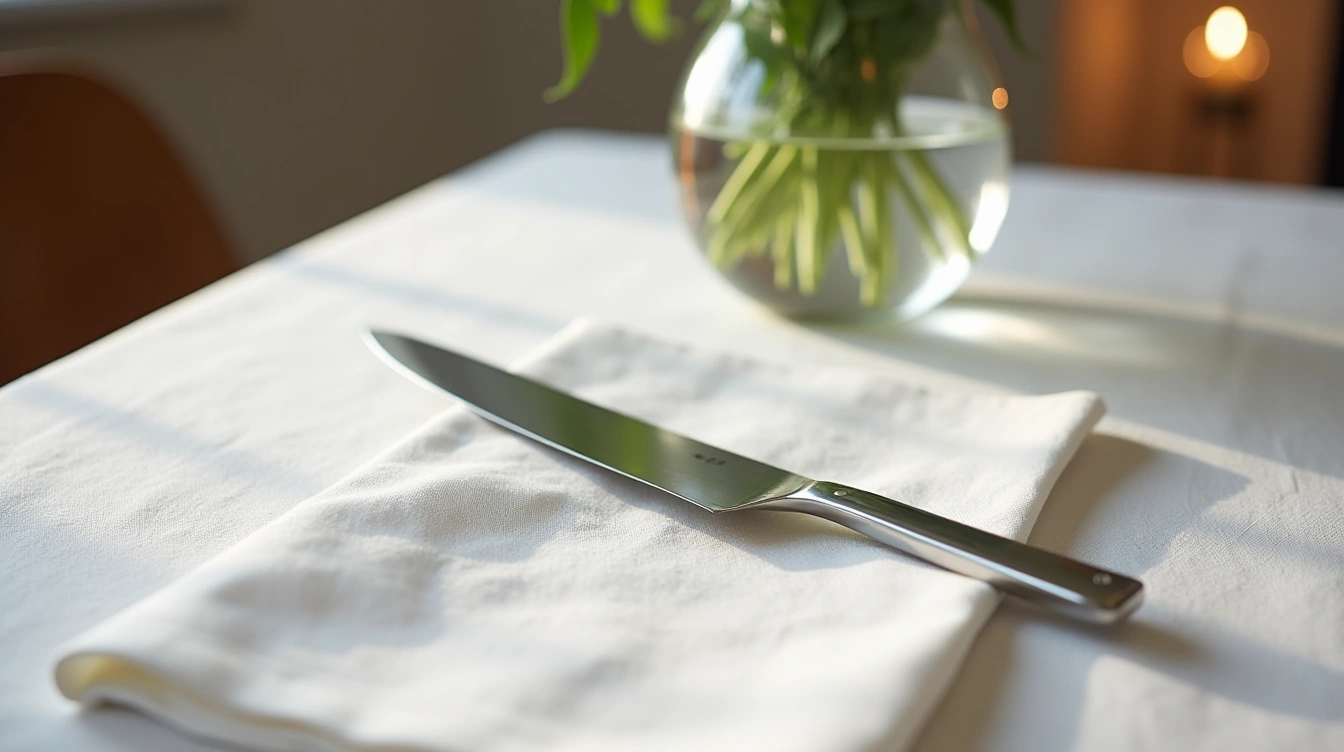
The artisanal knife market has experienced remarkable growth, with premium handcrafted cutlery sales increasing by 32% in 2024 according to industry reports. Modern chefs and cooking enthusiasts are rediscovering the exceptional precision, durability, and unique character that only handmade blades can deliver. Have you ever wondered how the right knife transforms your entire culinary experience? From enhanced cutting performance to the satisfaction of owning a piece crafted with centuries-old techniques, artisanal cutlery represents more than tools—they’re culinary companions.
What Sets Premium Handmade Blades Apart from Industrial Production
The distinction between artisanal and industrial knife production lies in the fundamental approach to craftsmanship. While mass production prioritizes efficiency and standardization, premium handmade blades emerge from a philosophy where time becomes an ally rather than a constraint. Each piece begins with careful material selection, where skilled artisans choose specific steel grades based on their intended purpose and desired characteristics.
Also read : Explore the usa: your ultimate travel blog guide
Traditional forging techniques passed down through generations create the soul of these exceptional blades. French coutellerie, with its centuries-old heritage, exemplifies this mastery where blacksmiths work metal at precise temperatures, folding and shaping it through countless hammer strikes. This process develops a unique grain structure impossible to replicate through industrial pressing or cutting methods.
The attention to detail in handmade production extends beyond the blade itself. Artisans spend hours perfecting the balance, testing the edge geometry, and ensuring each knife feels natural in the hand. This level of personalization allows for custom specifications, unique handle materials like ancient Morta wood, and bespoke finishes that reflect individual preferences while maintaining superior quality standards that industrial production simply cannot match. Learn more on this page about authentic craftsmanship.
In the same genre : Explore the beauty of camping naturiste in Provence
The Ancient Art of Traditional Craftsmanship in Knife Making
Behind every exceptional blade lies centuries of inherited wisdom. Traditional knife making represents one of humanity’s oldest crafts, where ancient techniques continue to breathe life into modern masterpieces. These time-honored methods transform raw materials into functional art through patient dedication.
Each artisanal technique carries the weight of generations, passed down from master to apprentice in an unbroken chain of craftsmanship:
- Damascus forge work – Ancient folding and welding techniques create distinctive patterns while enhancing blade strength and flexibility
- Morta wood mastery – Working with thousand-year-old bog oak requires specialized knowledge to reveal its unique grain and natural beauty
- Hand polishing traditions – Progressive stone grits and leather stropping achieve mirror finishes impossible through machine production
- Traditional assembly methods – Precise fitting and securing techniques ensure lasting durability without modern adhesives
- Heritage finishing touches – Final buffing, oiling, and detailing processes that honor ancestral standards of perfection
This dedication to traditional methods ensures each knife embodies not just superior quality, but the soul of centuries-old craftsmanship traditions that refuse to fade.
Morta Wood: The Millennia-Old Secret Behind Exceptional Handle Crafting
Deep beneath European peat bogs lies a treasure that has been waiting for thousands of years. Morta wood represents one of nature’s most extraordinary transformations, where ancient oak trees have been perfectly preserved for millennia in oxygen-free environments. This remarkable preservation process creates a material unlike any other in knife crafting.
The formation of authentic Morta wood requires precise conditions that occurred thousands of years ago. When oak trees fell into peat bogs, the acidic, anaerobic environment began a slow transformation process. Over 3,000 to 8,000 years, the wood gradually darkened while gaining exceptional density and stability. This natural alchemy produces the distinctive deep black coloration and incredible durability that makes Morta wood so coveted among artisans.
What sets Morta wood apart is its unique combination of properties. The millennia-long preservation process eliminates internal tensions while dramatically increasing density. The result is a material that resists cracking, maintains dimensional stability, and develops a lustrous finish that improves with age. Each piece tells a story written in its grain patterns, creating handles that are both functional masterpieces and historical artifacts.
French cutlery artisans recognize Morta wood as the pinnacle of handle materials. Its rarity means that every piece must be carefully selected and expertly crafted, elevating each knife from a simple tool to a work of art that connects modern craftsmanship with ancient natural history.
Investment Guide: Understanding Value in Artisanal Cutlery
When you hold a handcrafted knife featuring Damascus steel and a handle carved from thousand-year-old Morta wood, you’re not simply purchasing a tool—you’re acquiring a piece of living history. The premium pricing of artisanal cutlery reflects far more than materials; it embodies decades of mastery and countless hours of meticulous craftsmanship.
Consider the extraordinary materials that define exceptional pieces: mammoth ivory preserved in permafrost for millennia, Damascus steel forged through ancient techniques, or Morta wood that has slumbered underground for thousands of years. These materials cannot be replicated or mass-produced. Each piece tells a story spanning geological ages, making every knife utterly unique.
The time investment alone justifies the cost. A master craftsman may spend weeks perfecting a single blade, tempering steel to precise specifications, hand-forging patterns that will last generations. This expertise and patience cannot be rushed or automated—it’s the difference between a lifetime companion and a disposable tool.
Unlike mass-produced alternatives, artisanal knives appreciate over time. Their exceptional durability means they’ll outlive their owners, becoming heirlooms passed through generations while maintaining their edge and beauty with proper care.
Preserving Your Heritage: Care and Maintenance of Fine Cutlery
Your artisanal knife represents more than a tool—it’s a piece of functional art that demands thoughtful care. The marriage of premium steel and precious materials like Morta wood requires specific maintenance practices to preserve both beauty and performance for decades to come.
Begin with proper cleaning after each use. Wash your knife by hand with warm water and mild soap, avoiding harsh detergents that can damage Damascus patterns or corrode the steel. Dry immediately with a soft cloth, paying special attention to the junction between blade and handle where moisture can accumulate and cause long-term damage.
Storage plays a crucial role in preservation. Individual blade guards or a dedicated knife roll protect against accidental damage while allowing air circulation. Never store wet blades, as trapped moisture accelerates corrosion even in the finest steels. For knives with Morta wood handles, avoid extreme temperature fluctuations that can cause the ancient wood to crack or warp.
Professional sharpening maintains the blade’s geometry while protecting your investment. Seek out craftsmen who understand the unique properties of Damascus steel and forged blades. Regular maintenance by skilled hands ensures your heritage piece continues performing at its peak while preserving its artistic integrity for the next generation.
Your Questions About Artisanal Cutlery Excellence
What makes artisanal knives better than mass-produced ones?
Artisanal knives feature superior steel quality, hand-forged construction, and meticulous attention to detail. Each blade receives individual crafting, ensuring better edge retention, balance, and durability that factory production simply cannot match.
How do I care for and maintain handcrafted cutlery?
Hand wash with mild soap and dry immediately. Store in wooden blocks or knife guards. Regularly hone the edge and oil wooden handles monthly. Professional sharpening annually maintains optimal performance and longevity.
What is Morta wood and why is it special for knife making?
Morta is ancient oak wood preserved in peat bogs for thousands of years. This unique aging process creates stunning black patterns and exceptional durability, making it prized for premium knife handles worldwide.
How much should I expect to pay for quality handmade knives?
Quality artisanal knives range from $150-$800 for kitchen knives, with collector pieces reaching higher. Investment reflects materials, craftsmanship, and heritage. Expect lifetime performance from properly made handcrafted cutlery.
What’s the difference between Damascus and forged knives?
Damascus steel features distinctive wavy patterns from folding multiple steel layers. Standard forged knives use single steel types. Both involve traditional forging techniques, but Damascus offers unique aesthetics and enhanced performance characteristics.